
It’s game night and you are ready to host your trusty board game geek friends for another spirited marathon session of Settlers of Catan, Codenames, and Ticket To Ride. But wait… the married couple’s baby-sitter has cancelled, your old college roommate has a cat emergency, and your high school pal got surprise with a free Taylor Swift concert ticket. It’s just you and your partner for tonight? You still want to play board games, but what do you do? Well, perhaps it’s time to try out one of these great two-player games!
Here’s a list of my 6 favorite board games that work amazing for two people, with some commentary and critique mixed in.
Disclaimer: This post contains Amazon affiliate links. As an Amazon Associate I earn from qualifying purchases.
1. Arkham Horror: The Card Game – Revised Edition
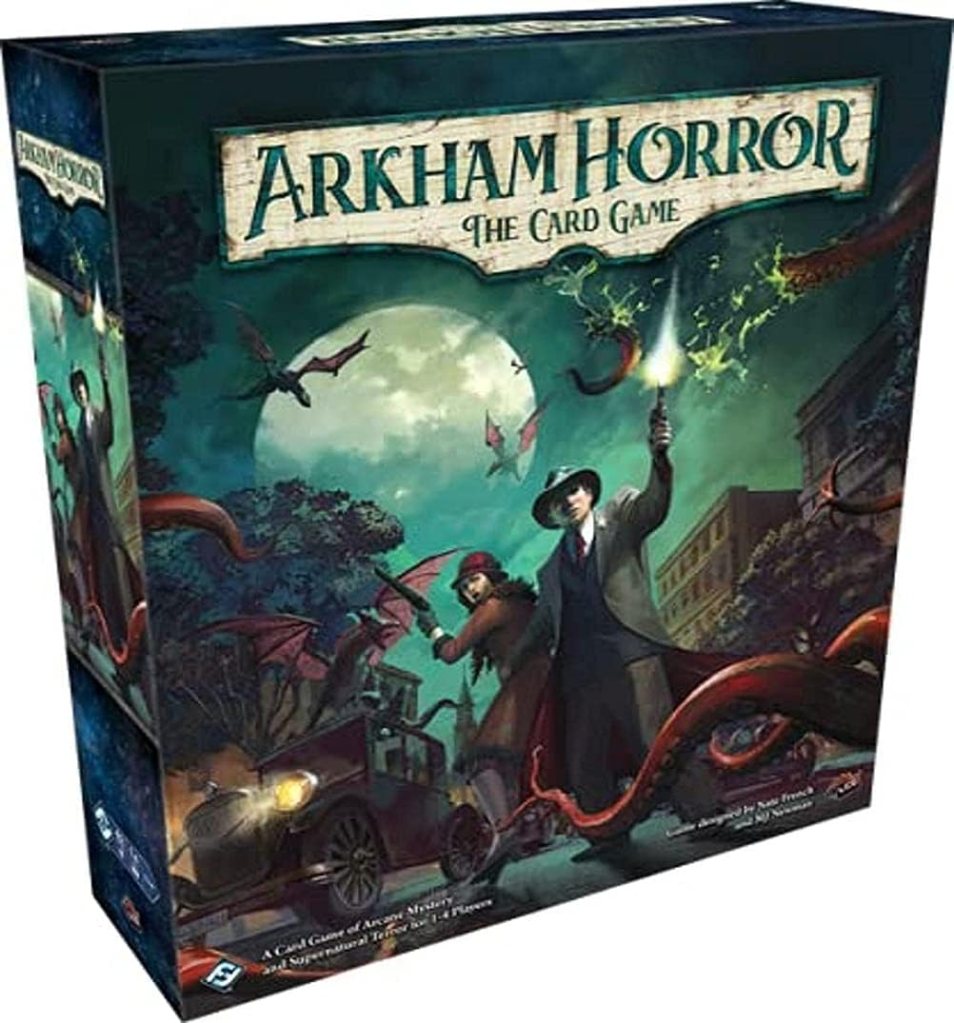
When I first sat down to play the revised edition of Arkham Horror: The Card Game, I felt a thrill of anticipation. The Lovecraftian theme is so immersive, and every decision felt like stepping deeper into a dark, eerie world. The streamlined mechanics made the experience smoother than earlier editions, and the narrative drew me in immediately. Building my investigator’s deck felt like crafting a personal story, and every card I played revealed a piece of that tale. As my partner and I faced eldritch horrors together, the cooperative gameplay kept us engaged and on edge.
The game wasn’t without its frustrations, though. The reliance on luck from card draws added some unpredictability that occasionally disrupted our plans. Also, knowing how expansive the game’s content is, it can feeling overwhelming at the prospect of diving into future expansions. Still, for anyone who loves thematic storytelling and strategic challenges, this revised edition is an absolute must-try.
2. Sky Team

Sky Team feels like stepping into the cockpit of an actual airliner. This cooperative two-player game had my partner and me working together as pilot and co-pilot to land a commercial plane safely. The tension was palpable as we silently communicated through dice placement, balancing speed, altitude, and other critical controls. Each airport presented unique challenges, keeping every session fresh and engaging. The streamlined mechanics and straightforward rules made it easy to jump in, but the depth of strategy kept us coming back.
That said, the game isn’t without its challenges. The lack of direct communication during key moments added an exciting twist but could feel restrictive at times, especially for those who thrive on verbal collaboration. Additionally, while the game is fantastic for short, intense sessions, it might not appeal to players looking for longer, more complex experiences. Still, Sky Team is a masterclass in cooperative design and a must-play for duos looking for a unique and immersive challenge
3. Patterns: A Mandala Game
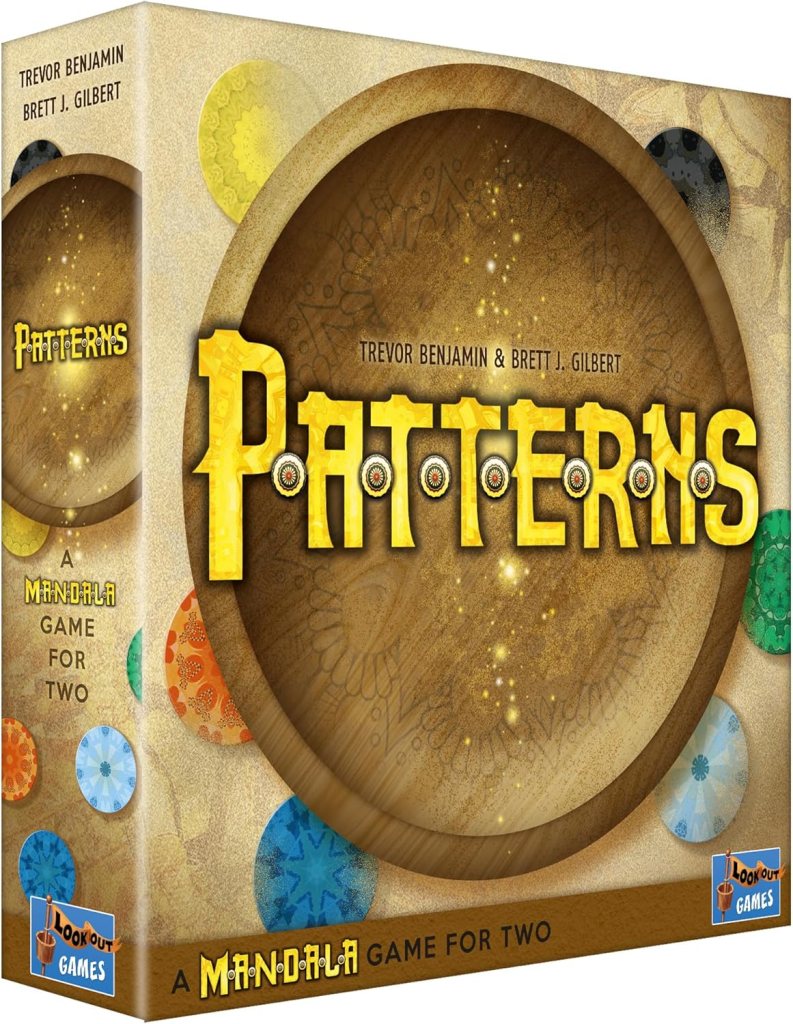
When I first spread out the play mat and started forming the vibrant mandala from the game’s 54 tiles, I was struck by the simplicity yet depth of Patterns: A Mandala Game. In this two-player abstract strategy game, my opponent and I took turns swapping tiles and marking contiguous areas in our colors to claim territory. Every move felt deliberate, as I had to anticipate how to maximize my scoring opportunities while thwarting my opponent’s plans. The gameplay was incredibly smooth, with setup and rules explanation taking no more than five minutes, allowing us to dive right into the competition.
What stood out to me was the tension between careful planning and adaptability. Just when I thought I had a winning move, my opponent disrupted my strategy with a well-placed marker. Despite the straightforward mechanics, the game challenges you to think several moves ahead. It’s also visually stunning, with its colorful design creating a relaxing yet strategic atmosphere. While the gameplay might feel repetitive after several plays, as the objectives remain consistent, the quick rounds and potential for subtle tactical improvements kept it engaging for me each time we reset the board
4. Sobek: 2 Players
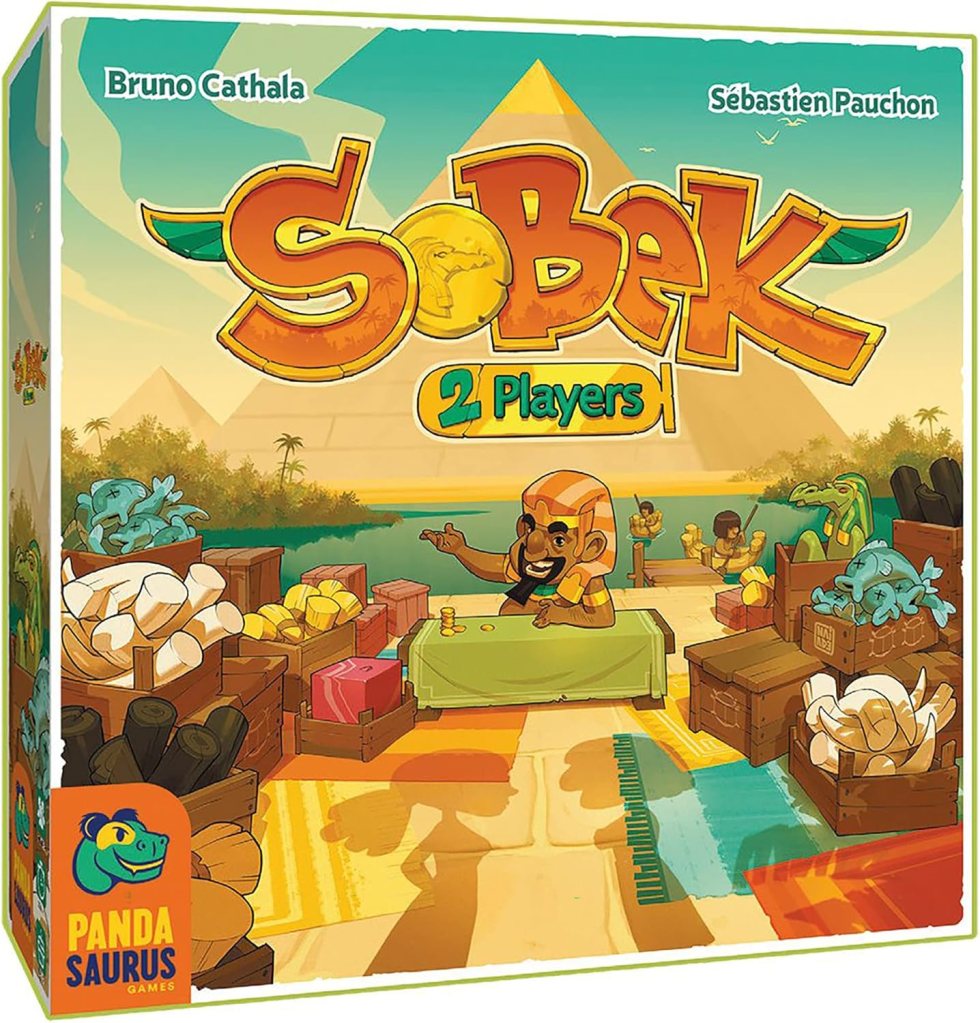
I didn’t expect such a compact game like Sobek: 2 Players to pack as much punch as it did. The strategic decisions kept me on my toes, as I had to balance resource collection with managing corruption. Every move felt like a delicate balance of risk and reward, and the anticipation of my opponent’s next move added a layer of tension. The theme of ancient Egypt was beautifully integrated, making the experience both engaging and aesthetically pleasing.
The only downside was that its small size and simple rules made it feel more like a “filler game” than a centerpiece for a game night. Still, it’s one of the best choices for a quick, strategic battle when time is limited, and I’d gladly recommend it to anyone who enjoys tightly designed two-player games.
5. 7 Wonders Duel
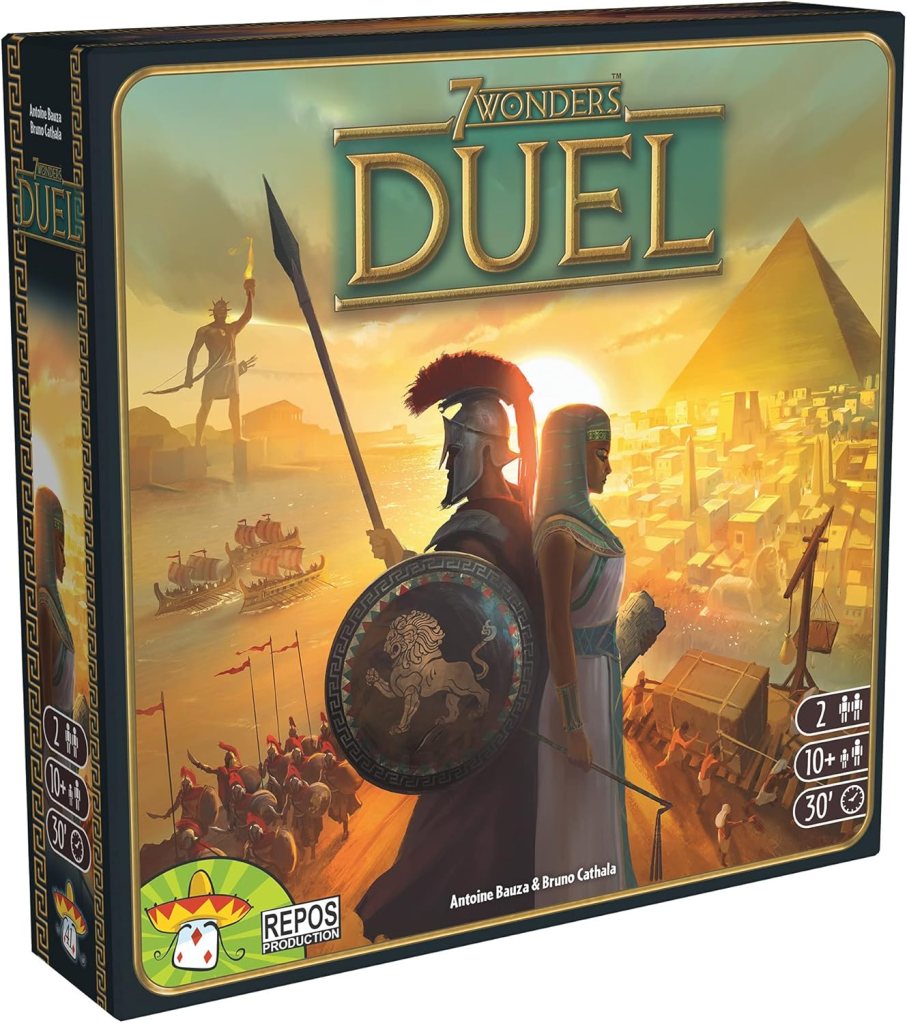
From the moment I played my first round of 7 Wonders Duel, I could see why this game is so highly regarded. It brilliantly condenses the sprawling 7 Wonders experience into an intense, tightly focused duel between two players. Drafting cards from the pyramid-shaped layout added a unique layer of strategy—I wasn’t just thinking about my own moves but also blocking opportunities for my opponent. The game’s three potential victory paths—military, scientific, or civil—kept me constantly reevaluating my strategy. Should I push for a quick military win or invest in culture and science to dominate later rounds? Every decision felt significant.
One of my favorite aspects was the game’s pace. It’s quick and engaging without feeling rushed, and the balance between accessibility and depth meant that I could introduce it to casual gamers or spar with seasoned opponents. My only critique is that some games can feel lopsided if one player pulls ahead in a specific victory condition early on. That said, the constant tension and variety in strategy ensure it remains one of my favorite two-player games.
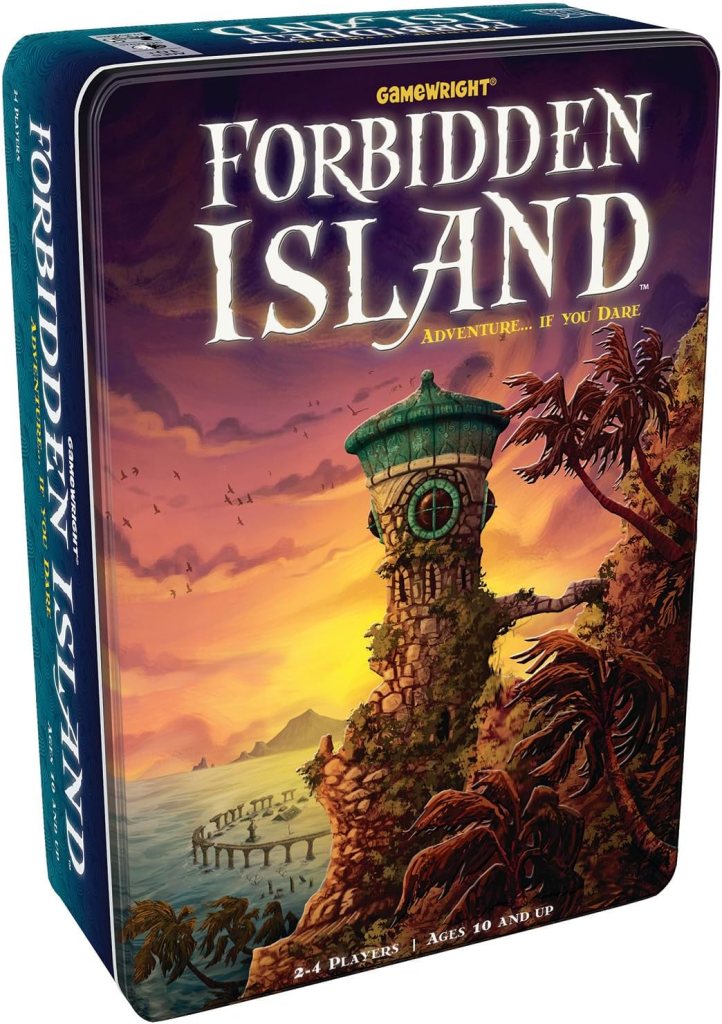
The first time I played Forbidden Island, I was immediately drawn in by its sense of adventure and cooperation. My partner and I assumed the roles of explorers tasked with recovering ancient treasures before the island sank beneath us. The gameplay was straightforward, with each turn offering critical decisions: should I move to shore up sinking areas, collect treasure cards, or position myself to assist my teammate? The steadily rising waters kept the tension high, making every move feel vital. The vibrant artwork and modular tile layout added to the game’s immersive and dynamic nature.
While I loved the cooperative mechanics and the thrill of racing against the clock, I did notice that the game’s replayability is somewhat limited. Once you’ve mastered the strategies for each role, it becomes easier to predict the optimal plays, which can reduce the challenge. That said, increasing the difficulty level breathed new life into our sessions. For its simplicity, portability, and teamwork-focused design, Forbidden Island is one of the best introductory co-op games I’ve played, perfect for two players looking for a light yet engaging challenge.

 EZMath Blog